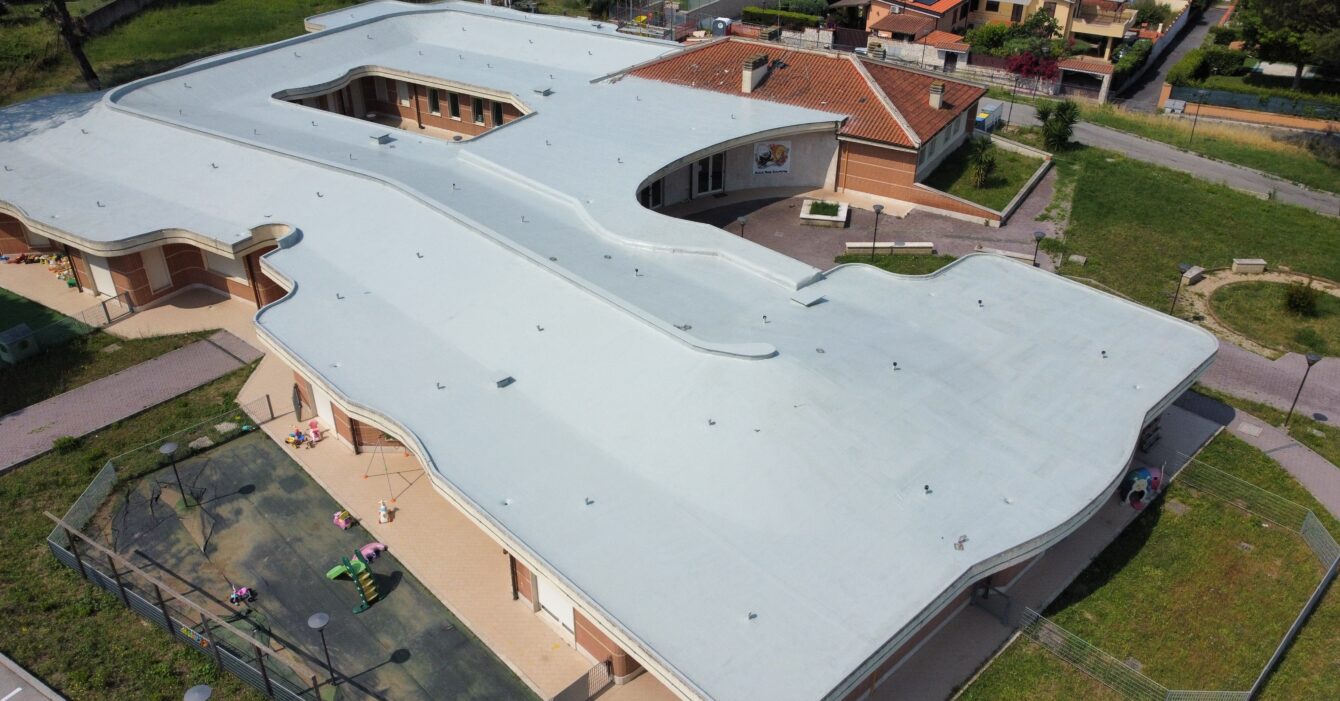
Choosing a polyurea waterproofing system depends on several factors, including the characteristics of the substrate, the application method, site conditions and the performance requirements of each project.
At Krypton Chemical, we develop polyurea solutions for a range of waterproofing and protection applications. In this article, we explain the differences between cold-applied polyurea and hot-applied polyurea, and the key aspects to consider when selecting the right system.
What is cold-applied polyurea?
Cold-applied polyurea is formulated for application without the hot-spraying process typically associated with other systems. Depending on the product, it can be applied manually and may require two components to be mixed beforehand.
One example is Impermax Cold Polyurea, a two-component, manually applied polyurea that forms an elastic and fast-curing membrane. It is suitable for certain waterproofing applications on roofs, terraces and concrete structures.
What is hot-applied polyurea?
Hot-sprayed polyurea is typically applied using specialised equipment that meters and mixes the components before spraying. Certain formulations cure very quickly, creating continuous membranes without joints or overlaps.
At Krypton Chemical, our solutions include Polyurea Rayston, a pure polyurea applied by hot spraying, and Impermax Polyurea H, a hybrid polyurea offering an optimal balance between cost and performance.
This application method requires compatible equipment, proper substrate preparation and careful control of the application parameters.
Cold-applied vs hot-applied polyurea: key differences
It is important to distinguish between the application method and the chemical composition: cold-applied or hot-applied polyurea is not the same as pure or hybrid polyurea. These are different classifications and should be considered separately.
How do you choose the right system?
Before choosing a polyurea waterproofing solution, four key aspects should be assessed:
1. The substrate. Its nature, condition, moisture content and preparation influence adhesion and the performance of the membrane.
2. Surface geometry. The dimensions, junctions, drains and other detailing can affect the choice of application method.
3. Application conditions. Temperature, humidity, available time and technical resources must be compatible with the selected product.
4. Project requirements. The required performance must be established, including elasticity, crack-bridging capability and mechanical and chemical resistance.
The choice should not be based solely on the application method or material cost. It is essential to ensure that both the product and the complete system meet the needs of the project.
What technical documentation should you consult?
Before specifying a system, we recommend reviewing the product’s technical data sheet, preparation and application instructions, compatibility between layers, and any technical documentation or assessments relevant to the intended use.
At Krypton Chemical, you can consult our product technical data sheets and documentation. If you need to assess different options, providing information about the substrate, surface area, site conditions and project requirements will help our team offer appropriate technical advice.
Frequently asked questions about cold-applied and hot-applied polyurea
What is the difference between the two application methods?
The main difference is the application method: certain cold-applied systems can be applied manually, whereas hot-applied systems are applied using specialised spraying equipment.
Is cold-applied polyurea always applied manually?
Not necessarily. The method depends on the formulation. The product’s technical data sheet should be consulted to confirm the approved application procedure.
Which type is best for waterproofing a roof?
This depends on the substrate, surface geometry, application conditions and required performance. The choice should be based on the product’s suitability for the intended use.
Where can I find Krypton Chemical’s solutions?
You can explore our range of waterproofing products and solutions, and consult the technical documentation to learn about the characteristics and application requirements of each system.
Conclusion
The choice between cold-applied and hot-applied polyurea should be based on the specific requirements of each project. Both methods can provide suitable waterproofing solutions when the right system is selected and applied in accordance with the manufacturer’s instructions.
At Krypton Chemical, we offer a range of solutions to meet different project requirements. Explore our waterproofing solutions and contact our team to discuss which system is best suited to your project.